
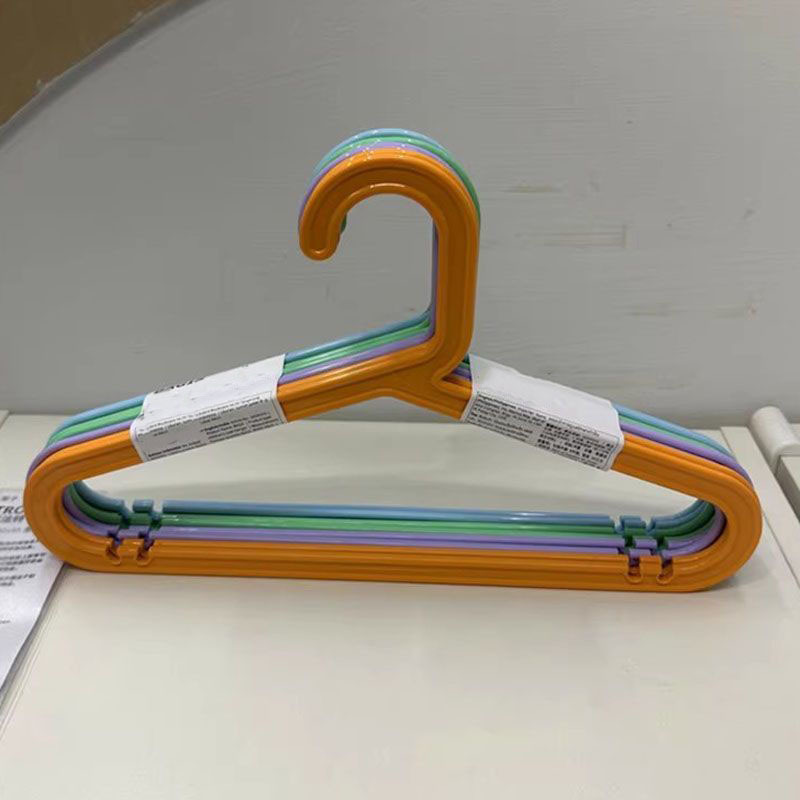
Walk into any premium boutique and look at the racks. Then walk into a discount store and do the same. The difference you notice first is not the clothes – it is the hangers. Wooden hangers signal quality before a customer touches a single garment.
As a wooden hanger manufacturer, we are obviously biased – but we also supply both markets and hear the purchasing logic from hundreds of buyers each year. Here is the honest comparison.
The case for wooden hangers
Presentation sells garments
A wooden hanger holds a garment’s natural shoulder line. Shirts, suits and coats hang the way they would on a person, which makes the whole rack look fuller and more premium. Plastic hangers flex under weight; shoulders sag and collars crease. For knitwear and coats the difference is visible from across the store.
Retailers who switch from plastic to wood routinely report that the same inventory simply looks more expensive – which supports higher price points and a stronger brand image.
Durability and cost per year
A quality wooden hanger survives 10+ years of daily retail use. Plastic hangers snap under a heavy winter coat, warp in hot warehouses and get brittle with age. When you calculate cost per year of use rather than cost per piece, wood usually wins – especially for hotels and retail chains that reuse hangers thousands of times.
Sustainability
Consumers are actively moving away from plastic, and retailers are following. Wood is renewable, biodegradable and often made from plantation timber. FSC-certified supply is available for brands that want documented sustainability. A wooden hanger can even be reused, resold or recycled at end of life – plastic hangers mostly cannot, and an estimated billions of plastic hangers end up in landfill every year.
Brand story
“Responsibly sourced beech wood hangers” is a story your marketing team can use. “PET plastic hangers” is not. For eco-positioned brands, wooden fixtures support the message from the shop floor up.
The case for plastic (yes, there is one)
To be fair, plastic hangers still make sense in specific situations:
- Ultra-budget lines where fixture cost is the only criterion
- Kids’ fast-changing size ranges where hangers are treated as disposable
- Wet environments such as poolside or laundry areas where even sealed wood eventually suffers
- Very lightweight garments – camisoles, socks, accessories – where wood is simply over-engineered
If your retail concept is “lowest possible price”, plastic is the rational choice. Everything above that level, wood earns its place.
Head-to-head comparison
| Factor | Wooden Hangers | Plastic Hangers |
|---|---|---|
| Garment presentation | Excellent – keeps shoulder shape | Fair – flexes and sags |
| Weight capacity | Heavy coats, suits | Light garments only |
| Lifespan | 10+ years | 1-3 years typical retail use |
| Cost per year | Lower long-term | Higher long-term |
| Sustainability | Renewable, biodegradable | Fossil-based, rarely recycled |
| Brand perception | Premium | Budget |
| Customization | Laser logo, color, finish | Limited printing |
| Best for | Retail, hotels, brands | Budget lines, wet areas, kids basics |
What about the price gap?
Wooden hangers cost more per piece – that is true. But the gap is smaller than most buyers assume. At wholesale, factory-direct wooden hangers start around USD 0.30-0.50 for basic beech models, versus USD 0.10-0.20 for basic plastic. For a boutique with 500 hangers, the difference is roughly the cost of one slow sales day – and the hangers last a decade.
The real mistake is comparing a USD 0.15 plastic quote with a USD 0.90 wooden quote for mid-range retail wood. Match the grades fairly and wood becomes genuinely competitive.
Making the switch: practical tips
- Start with your premium categories – suits, coats, dresses – where presentation matters most, then roll out to the rest of the floor.
- Standardize sizes to keep racks uniform: one coat width, one shirt width, one pants style.
- Put your logo on it: laser engraving or printing on wood costs cents and turns every rack into brand display.
- Order samples first: hold the finish, test the clips, check the weight before committing to a container.
- Buy factory-direct: skip the trading-company markup by ordering from a manufacturer with in-house production.
FAQ
Are wooden hangers worth it for a small boutique?
Yes. Even a 100-hanger order transforms the look of a small store, and quality wood lasts so long the annual cost is minimal. Most factories, including ours, accept flexible trial orders below standard MOQ.
Do wooden hangers damage clothes?
The opposite – properly finished wooden hangers protect garments. Kiln-dried, sanded and sealed wood does not snag fabric, holds the shoulder shape, and does not off-gas chemicals the way some cheap plastics can.
Which wooden hanger is closest to plastic in price?
Rubberwood. It is a plantation hardwood with excellent cost-to-quality ratio, ideal for value lines that still want a wood look.
Ready to compare samples?
We have made wooden hangers in Guilin, China since 2005, exporting to 70+ countries. Order samples of beech, rubberwood and cedar models, put them next to your current plastic hangers, and judge the difference in your own hands.
- Browse our wooden hanger collection
- Not sure which wood? Read Cedar vs Beech vs Acacia: Which Wood for Your Hangers?
- Full buying process: How to Choose Wooden Hangers: A Buyer’s Guide
